

Consulting firms, marketing agencies, information technology services, staffing organizations, and other service-based businesses derive value from expertise and client-focused delivery rather than the sale of physical goods. Despite having an adequate inflow of clients and contracts, many organizations face the challenge of poor cash flow. It is normal for payments to be received after a period of between 30 and 90 days from the date of invoice issuance.
Lack of sufficient capital may force some businesses to seek loans. However, this might not necessarily solve their problems since it would mean that they incur interest costs in addition to having to meet a loan institution’s stringent conditions. Invoice factoring offers another, more flexible solution for service-based businesses.
Understanding Working Capital
What is working capital? Working capital is generally defined as current assets (cash and receivables) minus current liabilities (expenses). For companies engaged in business services, working capital is not about storing inventory but a timing issue concerning cash inflows and cash outflows. Working capital for companies with service-based models is important for many reasons. A few of the reasons are:
- Provides funds for everyday operations, which could be rental of offices, equipment, software subscriptions, travel expenses, and expenses connected with performing projects.
- Guarantees the timely fulfillment of payroll.
- Strengthens business relations with suppliers, as timely payments can result in better terms.
- Allows for reinvesting capital into further growth. Money can be used to hire more help, for marketing, or for technology upgrades.
Consider a consulting company completing a big project and sending out invoices with net-60 payment terms. The job is done, the client is happy, and the money has been earned. Yet the company still needs to pay salaries and other costs for the next two months. It may find itself without sufficient working capital. This scenario compels tough choices such as postponing recruitment, limiting marketing activities, stretching payment due dates, or borrowing.
Working Capital Issues for Service Businesses
Service businesses face unique working capital restrictions. It doesn’t matter how well a business is performing, iIt will always struggle if its cash flow is misaligned with costs. The most frequent issues include:
- Delayed payment terms. Net 30 days or net 60 days can build up substantial accounts receivable balances.
- Payroll challenges. Salaries are fixed and ongoing. They usually represent the biggest monthly expense.
- Limited hard assets. Many service firms have few tangible assets, making traditional collateral-based financing harder to obtain.
- Rapid growth pressure. Growth typically requires upfront investment, such as increasing staff, capacity, or equipment.
- Client concentration risk. If a handful of large clients represent a significant share of revenue, even one delayed payment can create a major cash crunch.
Why Traditional Financing Options Don’t Always Fit
When cash is tight, traditional financing is usually the first place businesses look. But for service firms, these options don’t always align with how revenue is generated or how quickly funding is needed. Let’s look at some typical financing approaches and how they can be problematic.
Bank Loans: A bank loan, or small business loan, is a traditional financing option where a bank provides a business with funds that are repaid over time with interest.
Often require strong credit, long operating history, and clean financial statements.
- Approval can be slow, which is a problem when payroll is due next week.
- Adds long-term debt and fixed repayment obligations.
Lines of Credit: A business line of credit is a flexible financing option that allows businesses to borrow up to a set limit and access funds as needed, with interest charged only on the amount used.
- Borrowing capacity can be limited and may not increase fast enough as the business grows.
- Often come with renewal requirements, reporting covenants, and ongoing compliance.
- May tighten at exactly the wrong time (economic uncertainty, slower collections, client delays).
Merchant Cash Advances: A merchant cash advance is a financing solution that provides upfront cash in exchange for a portion of future sales or receivables.
- Frequently carries a high effective cost.
- Repayments can be frequent (often daily or weekly), which may strain cash flow further.
- Can become a cycle that’s hard to exit once started.
Invoice Factoring Unlocks Working Capital Without Debt
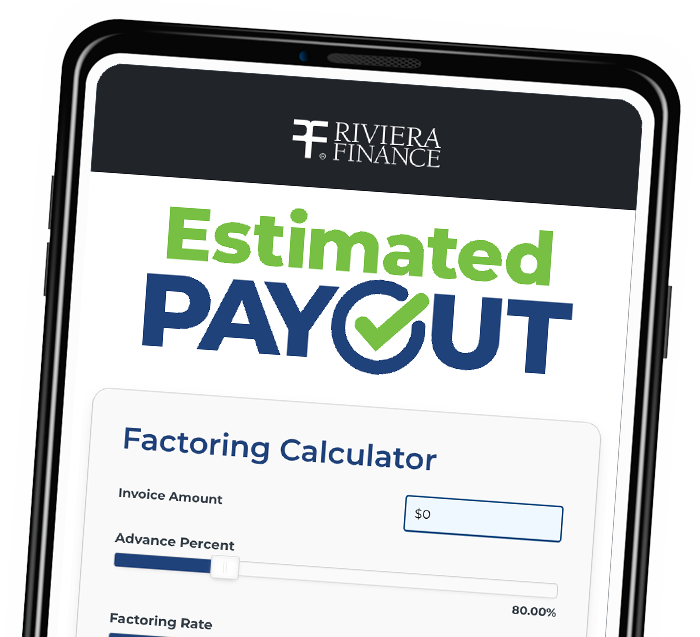
Instead of borrowing against future cash flow, invoice factoring turns existing receivables into working capital now. Factoring converts outstanding invoices into immediate cash. A business sells its receivables and receives an advance so it can fund operations while waiting for the customer to pay. The following are the key benefits for service-based firms.
- Fast access to cash. Funding is often available within 24 hours once set up.
- No debt added. Factoring is not a loan, but an advance on revenue you’ve already earned. Scales with growth. More invoices typically mean more available funding, which fits fast-growing firms.
- Improved cash flow predictability. Regular access to cash can reduce uncertainty and stabilize planning.
- Credit based on your customers. Approval often depends more on the creditworthiness of your clients than your company’s balance sheet.
How Businesses Use Invoice Factoring
Invoice factoring becomes especially valuable when it supports the real-world demands of running a service-based business. Rather than serving as a last-minute financing solution, many companies use factoring as a proactive strategy to maintain momentum and create more predictable cash flow. By turning unpaid invoices into immediate working capital, businesses can continue operating confidently, even when customers take weeks or months to pay.
Common operational use cases include:
- Meeting Strict Payroll Deadlines: Unlike manufacturing, service firms rely heavily on human capital. Factoring ensures your team is paid on time, every time, protecting staff morale.
- Fueling Growth & Recruitment: Scale up capacity by onboarding new talent, investing in technology upgrades, or launching aggressive marketing campaigns before a project’s final check clears.
- Smoothing Seasonal Revenue Dips: Stabilize your cash flow during predictable annual slowdowns or uneven demand cycles.
- Managing Client Concentration Risk: Protect your business from a sudden cash crunch if one or two major accounts have lengthy internal approval bottlenecks.
Invoice Factoring Offers a Strategic Advantage
One of the biggest advantages of invoice factoring is that it helps businesses reduce their dependence on slow-paying customers. Instead of delaying decisions or limiting growth opportunities while waiting for payments to arrive, companies gain faster access to the cash they’ve already earned. This creates greater financial stability and helps eliminate much of the uncertainty that comes with inconsistent payment cycles.
Factoring also allows business owners and leadership teams to focus more of their time on operations, customer service, and growth rather than collections and cash flow concerns. With more predictable working capital, businesses can make hiring decisions with confidence, improve budgeting accuracy, and plan for future investments more effectively. In many cases, invoice factoring becomes more than a financing tool – it becomes part of a broader financial strategy for long-term stability and growth.
Practical Tips to Improve Working Capital
While invoice factoring can significantly improve cash flow, the strongest financial strategies combine factoring with consistent working capital management practices. Businesses that actively monitor and manage receivables are often better positioned to reduce financial stress and improve long-term performance.
1. Actively Track Accounts Receivable
Establish an automated follow-up system for overdue accounts. Address delayed invoices early before they impact your operational baseline.
2. Tie Invoicing to Project Milestones
Avoid waiting until a massive, multi-month project is entirely completed to send an invoice. Structure contracts around specific deliverables or monthly retainers to ensure regular cash inflows.
3. Diversify Your Client Portfolio
Avoid relying on a handful of large accounts for the majority of your revenue. A broad client base insulates your firm from the financial ripple effects of a single customer’s payment delay.
Invoice factoring is most powerful when it directly supports the operational realities of service businesses. Rather than being a last-resort tactic, it can be used strategically to keep growth moving.
Grow Without Adding Debt
Business services are subject to a variety of cash flow problems such as long payment periods, high salaries, few tangible assets, and rapid expansion requiring investment. The traditional methods of financing can be helpful for some organizations. However, they might be too slow, add debt to the balance sheet, or do not keep up with the growth rate of the business. Invoice factoring provides an alternative, turning receivables into working capital quickly and efficiently.
How Riviera Finance Can Help
Riviera Finance is one of the leading providers of invoice factoring services. Founded more than 50 years ago, Riviera Finance assists service-based organizations in leveraging the potential of their receivables by offering timely funding in 24 hours, customized programs, customer service, and scalable financing.
Get Started
If your business seeks working capital without increasing debt, then invoice factoring can be an excellent choice, and Riviera Finance will be glad to assist you. Contact us today for a free, no obligation conversation about your financial future.
Our Process

STEP 1
Apply
Complete form & become a Riviera client

STEP 2
Service
You deliver your products or services

STEP 3
Send
Send your invoices to Riviera Finance

STEP 4
Get Paid
Riviera verifies & pays you within 24 hours
Why Wait?
Start getting paid immediately
About The Author

Dave Tremblay has more than 40 years of experience in logistics, operations, and financial process management, including leadership roles with Mattel and The Walt Disney Company. He has led multi-million-dollar projects and consulted for companies such as FedEx and Fiji Water, with expertise in efficiency methodologies like TQM and Kaizen. Dave currently serves as a Digital and Affiliate Marketing Manager and Logistics Category Expert at Riviera Finance, where he provides insight on supply chain operations, cash flow, and invoice factoring strategies.