

Staffing agencies operate in a business built on timing. Your clients require staff now, your workers require timely payment, and your payroll bills come in weekly. However, your invoices might go unpaid for 30, 60, or 90 days.
This can make an expanding staffing company operate low on cash, even if they have plenty of work coming their way. That’s why staffing invoice factoring is such an essential financing solution for temp staffing, recruiting, healthcare staffing, IT staffing, skilled trades, and other labor-related companies.
In 2026, staffing companies face the challenge of meeting fluctuating client needs, the intense competition for talented employees, and the necessity of meeting client demands rapidly. Success in these circumstances requires not only signing up new contracts but also ensuring adequate cash flow in order to hire, train, place, and pay your workers before customer invoices get paid. Invoice factoring can help bridge the staffing agency cash flow gap.
When Payroll Timing Works Against You
A staffing agency’s largest expense is often payroll. Once employees or temporary workers have completed their shifts, the agency must process wages promptly. Payroll does not wait for a client’s accounting department, internal approval process, or payment cycle.
The challenge is straightforward. Workers need to be paid consistently, while payroll taxes, workers’ compensation, benefits, and related employment costs are due on a recurring schedule.
Clients may pay invoices on net-30, net-60, or net-90 terms. Payment timing can change when a client has invoice disputes, administrative delays, or an overloaded accounts payable department. For an agency placing dozens, hundreds, or thousands of workers, even a brief delay in customer payment can put meaningful pressure on available cash. A company can be profitable on paper while still lacking the money required for the next payroll run.
This challenge becomes more acute during growth. Winning a large new account is a positive development, but it often requires more recruiting activity, more onboarding, and a larger payroll commitment before the client has paid its first invoice. Without dependable payroll funding for staffing agencies, a promising contract can become a strain on the business rather than a source of momentum.
Payroll Costs Go Beyond Wages
Payroll is not just the amount printed on an employee’s paycheck. Staffing firms need to account for a broad range of associated expenses, including payroll taxes, benefits, insurance, workers’ compensation obligations, recruiting costs, administrative labor, and operating overhead.
Meanwhile, customer payment reliability can vary. Even established businesses may pay later than expected. A staffing company that relies on a handful of large clients can be especially exposed if one customer extends its payment cycle or challenges an invoice.
The result is a working-capital gap that is not necessarily caused by poor performance. It is often a consequence of the staffing business model itself: labor is delivered first, payroll is due quickly, and payment arrives later.
The Risks of Missed Payroll
Late payroll can affect far more than a company’s bank balance. It can create operational, legal, and reputational consequences that are difficult to reverse.
Any business with employees has a responsibility to pay workers accurately and on time. Failure to meet payroll obligations may create potential legal and compliance exposure, depending on the circumstances and applicable employment requirements. It may also disrupt tax and benefit obligations that need consistent attention.
Moreover, an agency’s reputation depends heavily on trust. Clients rely on staffing providers to supply dependable workers. Workers rely on agencies to provide dependable pay. A late or missed paycheck can undermine that trust immediately, especially in competitive labor markets where qualified candidates may have other options.
Payroll instability can lead to talent loss. If workers are uncertain about whether they will be paid promptly, they may choose another employer or staffing agency. That creates more than a staffing shortage; it can also increase recruiting and training costs while risking client satisfaction.
How Staffing Invoice Factoring Supports Payroll
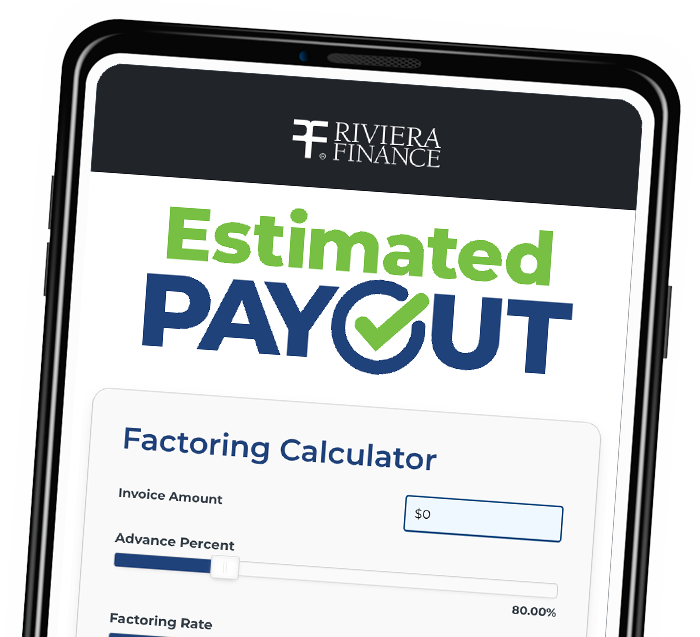
Invoice factoring converts eligible unpaid business-to-business invoices into cash more quickly than waiting for the customer’s standard payment schedule. Rather than treating receivables as cash that may arrive weeks or months from now, the staffing agency can use them to access working capital sooner.
The general process is simple. After providing staffing services and issuing an invoice to an approved client, the agency submits that invoice to a factoring company. The factoring company advances funds against the invoice, allowing the agency to use available cash for payroll, taxes, recruiting, and other operating expenses. When the client pays the invoice, the transaction is reconciled according to the factoring arrangement.
Continuous Working Capital for Growth
One-time financing may solve an immediate expense, but staffing agencies often need a source of capital that moves with their invoice volume. Factoring can provide that flexibility because the available funding is tied to receivables generated through client work. Reliable staffing agency cash flow can help businesses in a number of ways, such as the following:
- Meet recurring payroll deadlines
- Add recruiters, account managers, or administrative support
- Increase recruiting and marketing efforts
- Take on larger client accounts with confidence
- Onboard workers faster
- Reduce the need to chase overdue payments internally
A factoring relationship may include credit support alongside funding. An instant, automated customer-credit approval system can help agencies assess whether a prospective client is eligible before extending substantial labor and invoice exposure. Historical payment experience can also provide useful context about when payment may reasonably be expected.
This information can support stronger decisions about which accounts to pursue, how much exposure to accept, and when to proceed carefully. For staffing agencies, this is important because every client decision carries an associated payroll obligation.
Operational Support
Factoring for staffing agencies goes beyond merely financing invoices. They need consistent operational support such as invoice processing, payment management, credit checks on customers, receivables management, and effective onboarding.
A staffing agency needs a provider who can handle large numbers of repeat transactions and the speed of weekly payrolls. Multiple processing centers, processes in receivable management, and systems that provide easy onboarding could help in achieving better outcomes.
Staffing agencies should be able to focus on providing their services to the customers and workers rather than spending time on manually managing the receivables process.
Close the Payroll Gap
Riviera Finance provides payroll funding for staffing agencies, which can mean funding within 24 hours after invoice verification, credit support through FastCredit™, invoice processing, and receivables management.
If your staffing company is ready to strengthen payroll funding and pursue growth with greater confidence, contact Riviera Finance today.
Our Process

STEP 1
Apply
Complete form & become a Riviera client

STEP 2
Service
You deliver your products or services

STEP 3
Send
Send your invoices to Riviera Finance

STEP 4
Get Paid
Riviera verifies & pays you within 24 hours
Why Wait?
Start getting paid immediately
About The Author

Dave Tremblay has more than 40 years of experience in logistics, operations, and financial process management, including leadership roles with Mattel and The Walt Disney Company. He has led multi-million-dollar projects and consulted for companies such as FedEx and Fiji Water, with expertise in efficiency methodologies like TQM and Kaizen. Dave currently serves as a Digital and Affiliate Marketing Manager and Logistics Category Expert at Riviera Finance, where he provides insight on supply chain operations, cash flow, and invoice factoring strategies.