

Do you need working capital now? We understand running a small business or startup typically means navigating a tightrope between expenses and revenue. You’ve done the work, sent the invoice, and now you’re stuck waiting 30, 60, sometimes 90 days for payment. Meanwhile, payroll, rent, and suppliers can’t wait.
Traditional bank loans and lines of credit aren’t always the answer. Many younger or smaller businesses don’t have a long credit history, significant collateral, or large enough invoices to qualify. That’s where micro factoring comes in. Micro factoring is a variation of traditional invoice factoring, specifically tailored for smaller invoices and businesses. It’s designed to turn your unpaid invoices into almost immediate cash, without taking on new debt.
What Is Micro Factoring?
At its core, micro factoring is a type of invoice factoring focused on smaller-ticket invoices and smaller or newer businesses. Whether you have a single $500 invoice or several small amounts, our invoice factoring team can help your business. Here’s why micro factoring is different:
- Micro factoring is a debt-free financing solution. It’s not a loan. You’re not borrowing money, so you’re not adding new debt to your balance sheet.
- It’s based on your receivables. Funding is tied to the value of your existing, unpaid invoices.
- It’s designed for smaller invoices. Where traditional factoring might focus on larger, high-dollar invoices, micro factoring is built to accommodate smaller amounts that many banks and traditional factors ignore.
Think of it as a way to unlock the cash that’s stuck in your accounts receivable, without waiting for your customers’ payment cycles.
How Micro Factoring Works
While different providers have their own processes, micro factoring typically follows a straightforward, repeatable flow:
- Step 1: Finish the work and invoice your client.
- Step 2: Your business delivers a product or service and sends an invoice to your customer under normal payment terms.
- Step 3: You submit the invoice to a factoring provider.
- Step 4: You receive an advance, typically within 24-48 hours.
- Step 5: The customer pays the invoice; you receive the remaining balance.
- Step 6: When your customer pays the invoice, the factoring company collects the funds. Then they send you the remaining amount of the invoice minus their fee (the cost of factoring).
From your perspective, you’ve turned a slow-paying invoice into near-immediate working capital.
Who Benefits Most from Micro Factoring?
Micro factoring isn’t just for one type of business. It’s especially useful in several common situations:
Startups & Early-stage Businesses
New businesses often haven’t built up enough financial history or collateral to qualify for traditional bank loans.
Small Companies With Smaller Invoices
Many traditional factoring arrangements have higher invoice minimums or monthly volume requirements. If your business issues smaller, more frequent invoices, micro factoring is designed with you in mind.
Businesses With Slow-paying Customers
If your customers are reliable but slow to pay, micro factoring helps you avoid cash squeezes while you wait. This can be especially helpful in industries where long payment cycles are the norm.
Companies Experiencing Growth or Temporary Cash Gaps
Maybe you landed a new contract, need to hire staff, or must buy extra inventory to keep up with demand. Micro factoring can bridge the gap between doing the work and getting paid, so you can grow without constantly worrying about cash flow.
Key Benefits of Micro Factoring
Several advantages of micro factoring stand out. Here are the key benefits for businesses, but there are more.
Fast Access to Cash
Once you’re set up with a provider, funding can often happen within 24-48 hours of submitting an invoice. That speed can be the difference between making payroll comfortably and scrambling at the last minute.
No New Debt
Because you’re selling an existing asset (your invoice), factoring doesn’t show up as a new loan on your books. That can help keep your balance sheet cleaner and may be attractive if you want to preserve borrowing capacity for other needs.
Credit is Based on Your Customers
If your customers are established companies with good payment histories, their creditworthiness works in your favor. This can be a major plus for younger businesses that are still building their own credit profiles.
Supports Business Growth
Reliable access to working capital can fuel:
- Hiring and payroll
- Inventory purchases
- Marketing campaigns
- Equipment or operational improvements
Instead of letting growth stall while you wait for checks to clear, you can keep momentum going.
Micro Factoring vs. Traditional Invoice Factoring
Micro factoring and traditional factoring follow the same basic concept of selling invoices for upfront cash, but they differ in a few important ways.
Invoice Size Requirements
Traditional factoring is often focused on larger invoices or higher total monthly volumes. Micro factoring is designed to handle smaller invoices and lower minimums, making it accessible to more small businesses.
Business Eligibility
Traditional factoring may require a longer time in business, higher annual revenues, or a certain level of sales history. Micro factoring is typically more open to early-stage and smaller companies, as long as the customers being invoiced are creditworthy.
Speed and Flexibility
Traditional factoring can involve more paperwork and longer onboarding, especially for larger facilities. Micro factoring often has a more streamlined, digital-first process, with quicker approvals and the ability to fund invoices as needed based on current receivables.
In short, micro factoring takes the core idea of factoring and scales it down, making it more feasible for smaller operations.
Things to Consider Before Choosing Micro Factoring
While micro factoring can be a powerful tool, it’s not a one-size-fits-all solution. Before you move forward, it’s smart to think through a few practical questions:
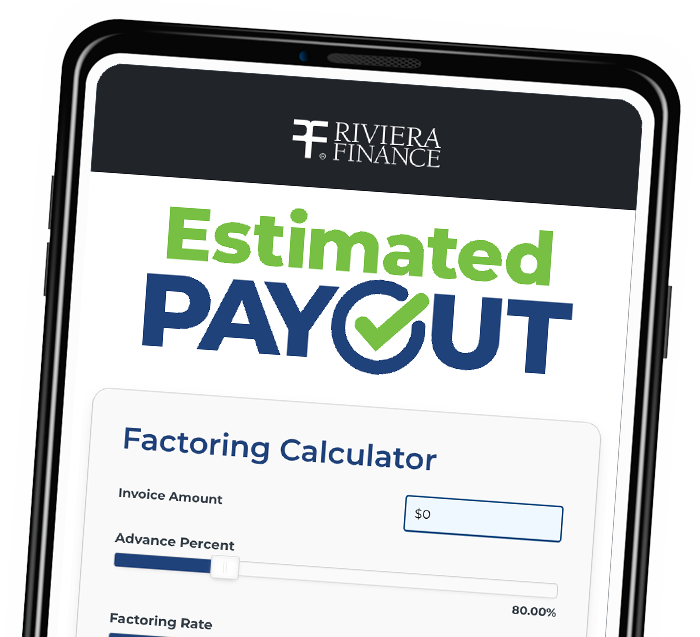
Factoring Fees
Every factoring company has its own pricing structure. Companies may also offer different terms based on your industry, track record, the credit worthiness of your customers, and other criteria. Be sure you understand:
- The fee rate.
- How long the fee applies.
- Any additional charges, such as minimums, setup fees, etc.
You’ll want to make sure the cost still leaves you with healthy margins and fits your business model.
Customer Relationships
In many cases, the factoring company will collect payment directly from your customer. This is a standard business practice in modern factoring. That means a third party will be interacting with your clients about invoices. A reputable provider will handle this professionally, but it’s worth preparing your customers so the process feels smooth and transparent.
Your Invoice Volume and Consistency
Any type of invoice factoring works best when you regularly issue invoices, even if they’re relatively small. If your billing is very sporadic or you mostly get paid upfront, you may not get as much value from a factoring relationship.
Micro Factoring Supports Cash Flow and Business Growth
For many small businesses and startups, access to capital is less about big loans and more about reliable, timely cash flow. Micro factoring offers a practical, fast, and approachable way to turn unpaid invoices into the working capital you need.
If your business issues smaller invoices and needs fast access to working capital, contact Riviera Finance for a free cash flow analysis or a custom micro factoring quote. See how much working capital you could unlock today. Our financial specialists are ready to help you keep operations running smoothly and support your growth with confidence. Fill out this short form to get started today.
Our Process
STEP 1
Apply
Complete form & become a Riviera client

STEP 2
Service
You deliver your products or services
STEP 3
Send
Send your invoices to Riviera Finance